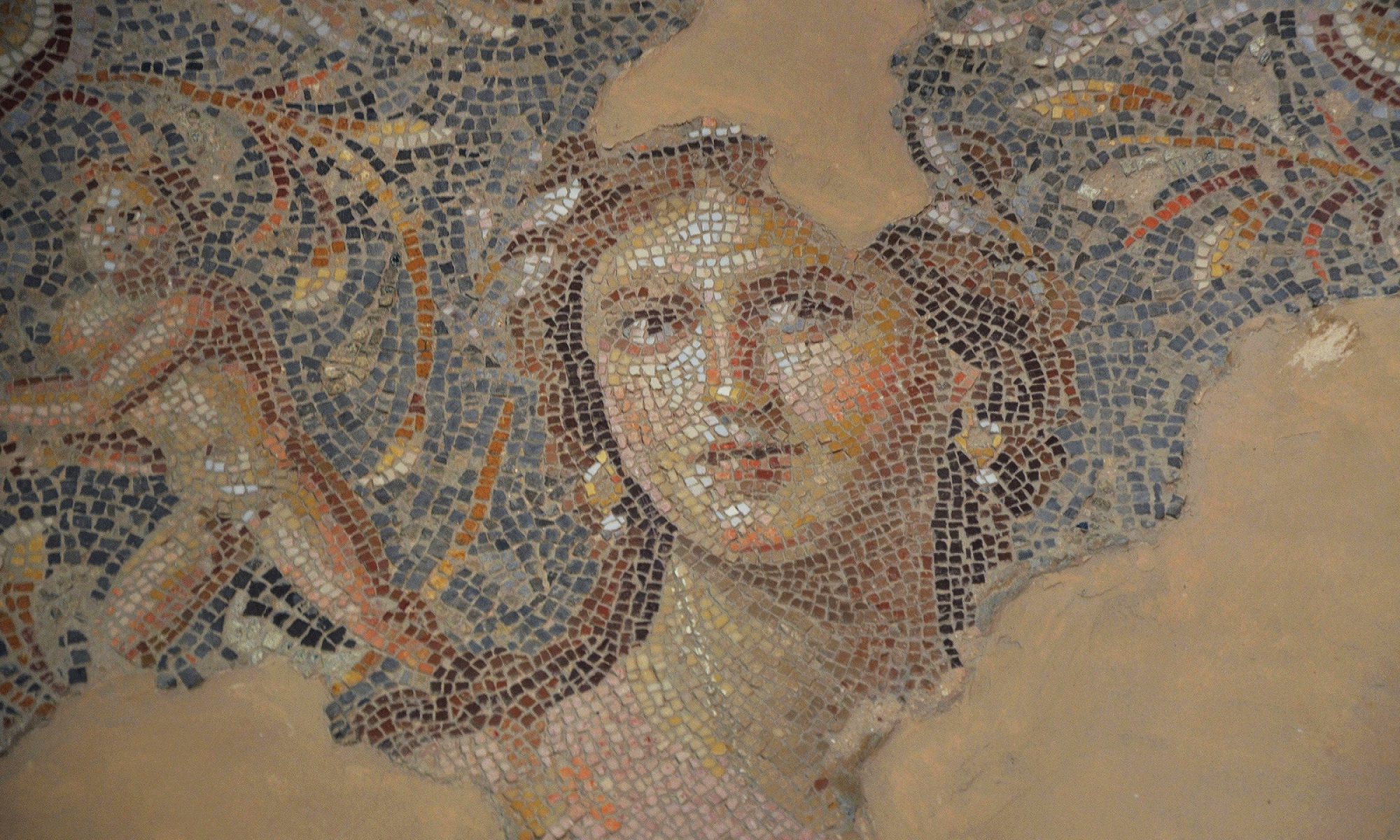

I woke this morning with friendship in mind – its meaning, value, rarity, and purpose in the divine plan.
Five years later, the death of my dearest friend still weighs heavily on me. So my recent deep conversation with her son about her revived the pangs of loss we still felt even while celebrating someone we both love.

My friend made it seem effortlessly natural to warmly reach out and establish friendships with people wherever she found herself, a talent I marveled at continuously through the long decades of our own friendship. She was amazingly loving and giving to “her people”, always. If she met you, and you seemed honest and authentic, you were very likely going to become one of the ever widening circle of people she enjoyed surprising and celebrating in unexpected ways large and small. She taught me so much about the virtues of true friendship, including loyalty, honesty, sympathy, empathy, effort, generosity, trust, forgiveness, humor, and companionship. Her funeral was humbling – could so many other people cherish her just as much as I did? Officially, her creed was not mine. But she taught me many lessons about the right way to live.
Today’s double feast day in the Catholic Church of Saints Joanna and Manaen (his feast day in the Orthodox church was yesterday; her Orthodox feast is June 27), a day I imagine as a celebration of friendship forged through faith and adversity, prompts this post.
Herod’s Court was a dangerous place
Saint Joanna’s husband Chuza was King Herod Antipas’ steward – making Joanna a highly visible member of the Herod’s court. Herod was the ruler of Galilee for the Romans during a period roughly equivalent to Jesus’ lifetime. It was Herod who imprisoned Saint John the Baptist at the urging of his vengeful wife Herodias, a woman who could not tolerate John’s admonitions that her marriage to Herod was sinful and immoral because she was simultaneously Herod’s brother’s wife, and another brother’s daughter. It was Herodias who put her young daughter Salome before the drunken Herod to dance and demand the head of Saint John. It was Herodias who likely made sure Saint John’s head was buried “in an unclean place” from which, Christian church tradition tells us, Saint Joanna recovered it for proper burial. We know that Herod and his entire court were well aware of Jesus’ ministry and connection to Saint John. Did anyone at court know about the faith in Him held by Joanna and Manaen? Could either Joanna or Manaen have been safe from the machinations of a vindictive Herodias if Herodias discovered their connections to Jesus, and therefore to Saint John? Was Joanna able to recover the head of Saint John because her stature in the court gave her access to information that the other disciples did not have?
Saint Manaen
As with the traditionally recognized myrrhbearers, there is only one mention of Saint Manaen in the Bible. He is described in a manner variously translated as a foster brother or lifelong friend of Herod Antipas. He was therefore likely was also a member of or frequent attendant at Herod’s court. Yet if he followed Jesus, then his status as foster brother or intimate friend would not have saved him from Herodias’ wrath if she discovered his discipleship.
Friends?
I’m skeptical that these two Saints somehow became followers of Jesus unbeknown to each other. Did Joanna, healed of her unnamed affliction by Jesus, bring Manaen to Christ? Or was he the one who heard about Jesus’s healings and reached out to her, offering her a path towards the miracle of healing?
Either way, these two would have had to follow Jesus in utmost secrecy to safeguard their lives and their loved ones. Imagine the strength of the friendship that could have developed over their shared experiences – becoming aware of Jesus and his ministry, meeting him, following him (in Joanna’s case being healed by him), all the while knowing that their loved ones, social circles and livelihoods centered around Herod and Herodias, devious individuals who were capable of murder if displeased. Jesus called Herod Antipas “that fox” – not admiringly.
Why do we have friends?
I think of friendship as a reflection of God’s love for all of us. Although our lives are fleeting, sometimes terrifically hard and brutal, God designed us to seek each other out for the companionship that can soften the wounds of bad times and magnify the joys of good times. I think we all actually need friends – and by that I think we all need community. After all, we are made in the image and likeness of a God who is love and has revealed to us that He is a trinity – a community, if you will. It is no wonder that a scourge of modern life is the technology that encourages us to unwittingly burrow away from each other, abandoning our opportunities to join, grow, enrich and enjoy our own communities.
I try to honor my friend and our friendship by purposefully continuing to join her husband, children, grandchildren, and friends in celebrating her and each other. There is a saying: What Would Jesus Do? In my head, it’s so often also this: What Would Deb Do?

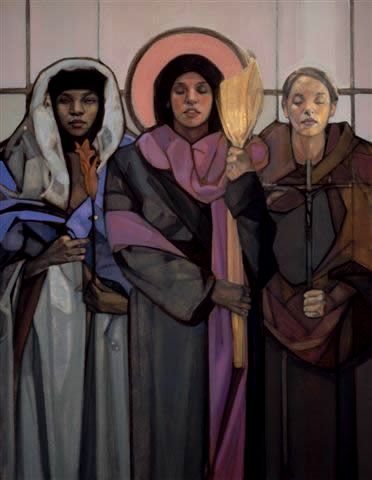

 Modern Myrrhbearers
You must be logged in to post a comment.